
Thinking of retiring abroad? Consider these key financial factors
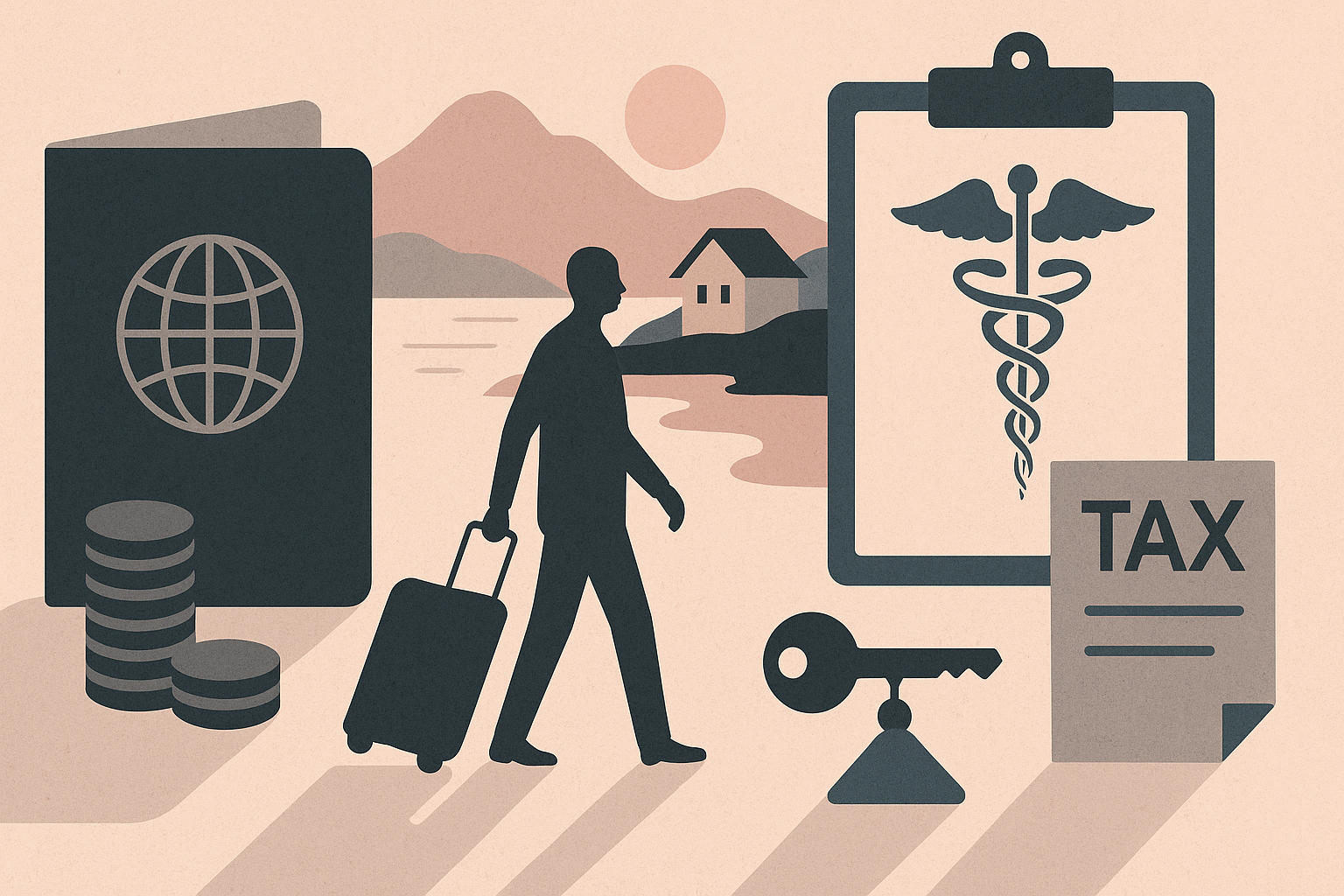
Considering retirement abroad can be an enticing prospect, offering new experiences and a change of scenery. However, the transition involves numerous financial considerations that need careful evaluation. The allure of picturesque landscapes and vibrant cultures must be balanced with practical aspects such as legal residency, healthcare access, taxation, and overall cost of living. This article outlines key financial factors to contemplate when contemplating retirement in a foreign country, ensuring you are well-prepared for this significant life shift.
Conduct Preliminary Research Before Making the Move
Before committing to relocating permanently, it’s advisable to spend time in your prospective country. Living there for a month or two will provide invaluable insight into everyday life and help you determine if it’s a suitable fit. New residents can sometimes feel isolated or unwelcome; thus, immersing yourself in local culture is crucial. Staying in an Airbnb allows you to experience daily routines while assessing whether this lifestyle aligns with your expectations.
The process of relocating involves considerable planning and may take six months to two years to finalize essential arrangements. This period includes researching residency options, consulting financial professionals, securing visas, finding accommodation, setting up banking services, and ensuring adequate health coverage.
Understand Visa and Residency Requirements
Your visa type will significantly influence your move’s success. Many countries offer specific visas tailored for retirees or those wishing to live abroad long-term. A retiree visa often requires proof that your savings or investments generate enough income to support your stay based on the host country’s standards. If you plan on working remotely while abroad, verify that your visa allows such activities.
An alternative option includes golden visas that grant residency or citizenship in exchange for investment within the host nation—such as purchasing real estate or making a substantial deposit in a local bank. These visas usually come with fewer restrictions regarding minimum stay requirements but require significant financial commitment ranging from $250,000 to over $1 million.
Plan for Your Healthcare Needs
Healthcare is another critical consideration when retiring abroad. Medicare does not extend coverage outside the United States; therefore, understanding how healthcare functions in your chosen destination is vital. Research whether you’ll need private international health insurance or if you can access care through the national system.
If you’re likely to return frequently to the United States for medical care—or even consider moving back—maintaining Medicare Part B payments might be wise since this covers outpatient services like doctor visits and preventive care.
Social Security Considerations
If you receive Social Security benefits while living overseas—in 2024 approximately 712,000 individuals did—you must inform the Social Security Administration of your move. They provide resources detailing eligibility criteria for receiving benefits internationally and have tools available to check if payments can be sent directly to your new country.
Keep Your Financial Institutions Informed
While establishing banking relationships in your new country is beneficial, retaining existing accounts with U.S.-based banks and brokerage firms is also recommended. Before relocating, clarify each institution’s policies regarding address changes and transaction rules from abroad; this preparation helps avoid complications later on.
For information on managing finances while living overseas visit Apply for Financing.
Navigating Tax Implications
The complexities of taxation cannot be overlooked when retiring abroad. Engaging two certified public accountants—one familiar with U.S tax codes and another knowledgeable about local regulations—can help navigate potential pitfalls associated with dual tax obligations. Understanding whether there exists a tax treaty between the U.S and your new home can prevent double taxation on income derived from various sources.
Your CPA will ensure compliance with filing requirements for both countries while keeping track of any necessary reports like the Foreign Bank Account Report (FBAR) which details foreign accounts held by U.S citizens.
Final Thoughts
Retiring abroad offers exciting opportunities but requires thorough planning concerning finances and legalities involved in such a transition. By conducting extensive research into residency options, healthcare systems available locally, social security implications along with maintaining vital banking relationships back home—and navigating tax laws effectively—you’ll ensure a more seamless process toward achieving your dream retirement lifestyle without unexpected obstacles along the way.