
Student loan bubble ready to burst, expert reveals insights
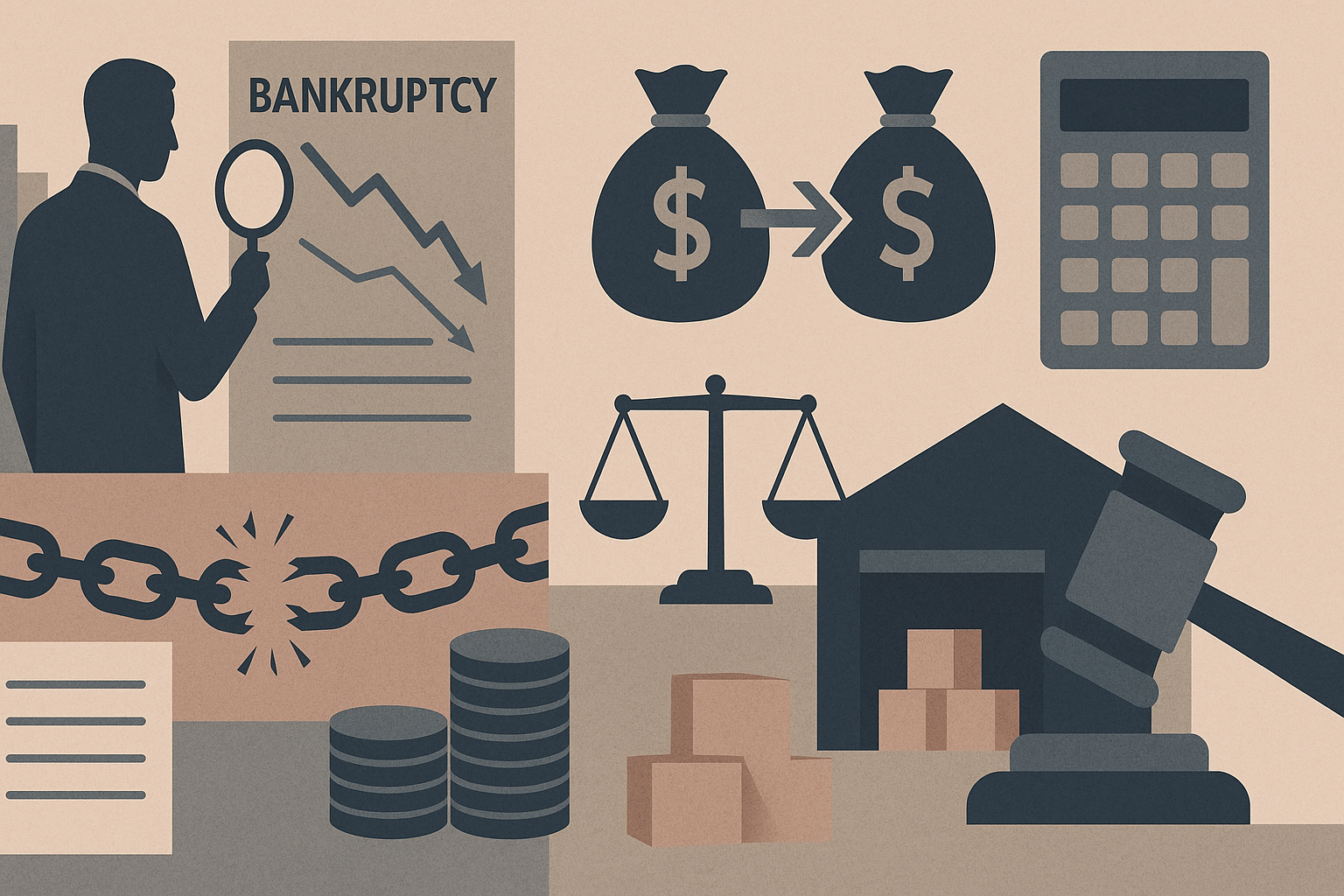
The student loan crisis in the United States has become a pressing issue, echoing the financial turmoil experienced during the 2008 subprime mortgage collapse. The surge in college tuition, paired with easy access to loans and high default rates, suggests we may be approaching another economic disaster. This article examines the alarming parallels between the current student loan landscape and past financial crises, exploring how reckless lending practices and inflated education costs have created a precarious situation for millions of borrowers.
Understanding the Student Loan Bubble
Since 1980, college tuition costs have skyrocketed by nearly 1,300%, according to data from the Bureau of Labor Statistics. This dramatic increase is not simply a reflection of inflation—it signals an educational crisis fueled by irresponsible lending practices. Much like banks that offered mortgages without proper checks during the last financial meltdown, federal student loan programs have been disbursing funds with little regard for borrowers’ ability to repay. This trend has resulted in an education bubble that mirrors the housing market’s previous collapse.
The Role of Easy Money
The availability of easy money is a significant factor contributing to this crisis. Just as banks issued loans to almost anyone during the housing boom—often without verifying income or job status—the government has granted student loans with minimal oversight. Many students are encouraged to borrow staggering amounts without fully grasping the long-term financial implications. A degree costing $250,000 from an average university becomes more akin to a subprime loan than an asset that guarantees future earnings.
A Crisis in Default Rates
As we face this mounting crisis, it’s important to note that student loan defaults are on the rise. The U.S. Department of Education reports that over five million borrowers have already defaulted on their federal student loans, with predictions suggesting this number could double by year’s end. Such high default rates should alarm both policymakers and taxpayers alike; when reality catches up with these borrowers, consequences may include wage garnishments and seized tax refunds.
Government Response: Too Little, Too Late?
In response to growing concerns about rising defaults and ballooning debt levels—currently exceeding $1.8 trillion—the government has begun implementing new regulations aimed at capping borrowing limits and revising repayment options. For instance, starting July 2026 under provisions like the One Big Beautiful Bill Act, lifetime federal borrowing will be capped at $257,500 while eliminating certain loan programs designed for graduate students and parents.
While these measures represent steps in a positive direction, critics argue they fall short of addressing systemic issues within higher education financing. The newly introduced Repayment Assistance Plan (RAP) offers limited relief for borrowers struggling under stagnant wages amid rising tuition costs.
The Most Vulnerable Suffer Most
The harsh reality is that those most affected by this crisis are often first-generation college students from low-income backgrounds who entered these debt traps under false pretenses of upward mobility. They graduate into a labor market characterized by stagnant wages while carrying mountains of unpayable loans—a scenario reminiscent of how vulnerable homeowners were impacted during the last financial disaster.
A Call for Change: Ending Government-Backed Lending
The solution requires significant shifts in policy regarding government-backed lending practices in education financing. By allowing private lenders into this space—who operate based on borrowers’ repayment capacities—we can potentially reinstate accountability within educational institutions as well as among those taking out loans.
Private Market Discipline
Embracing private market principles means scrutinizing degrees based on their value relative to potential earnings rather than merely granting funding based on enrollment figures alone. In such a system where money has memory—where lenders assess historical outcomes—Inevitably leads to more responsible borrowing practices among students.
What Can Be Done Moving Forward?
To navigate these turbulent waters effectively requires actions from all stakeholders involved: students must critically evaluate whether their chosen degree justifies its costs; colleges should be held accountable for providing tangible returns on investment; lawmakers need clarity around income-contingent private loans—and society must collectively reject any notion that unlimited government debt equates sustainable opportunity.
Averting Future Crises
If we neglect warning signs evident today—as we did before—we risk facing another catastrophic fallout not arising from Wall Street but sprung directly from college campuses across America instead.\nHowever painful it may seem now,\nwe still possess an opportunity—to take decisive action before impending failure devastates countless lives once again.\nLet’s seize it before it’s too late!
### Related Content
– [Consider an Income Share Agreement for College Financing](applyforfinancing.com)
– [How to Budget for College Expenses Beyond Tuition](applyforfinancing.com)
– [Navigating Financial Planning When Going to College](applyforfinancing.com)
– [A Tax-Free Way to Help Pay Your Student Loan](applyforfinancing.com)