S.Korean finance chief meets Bessent, sparking tariff progress hopes
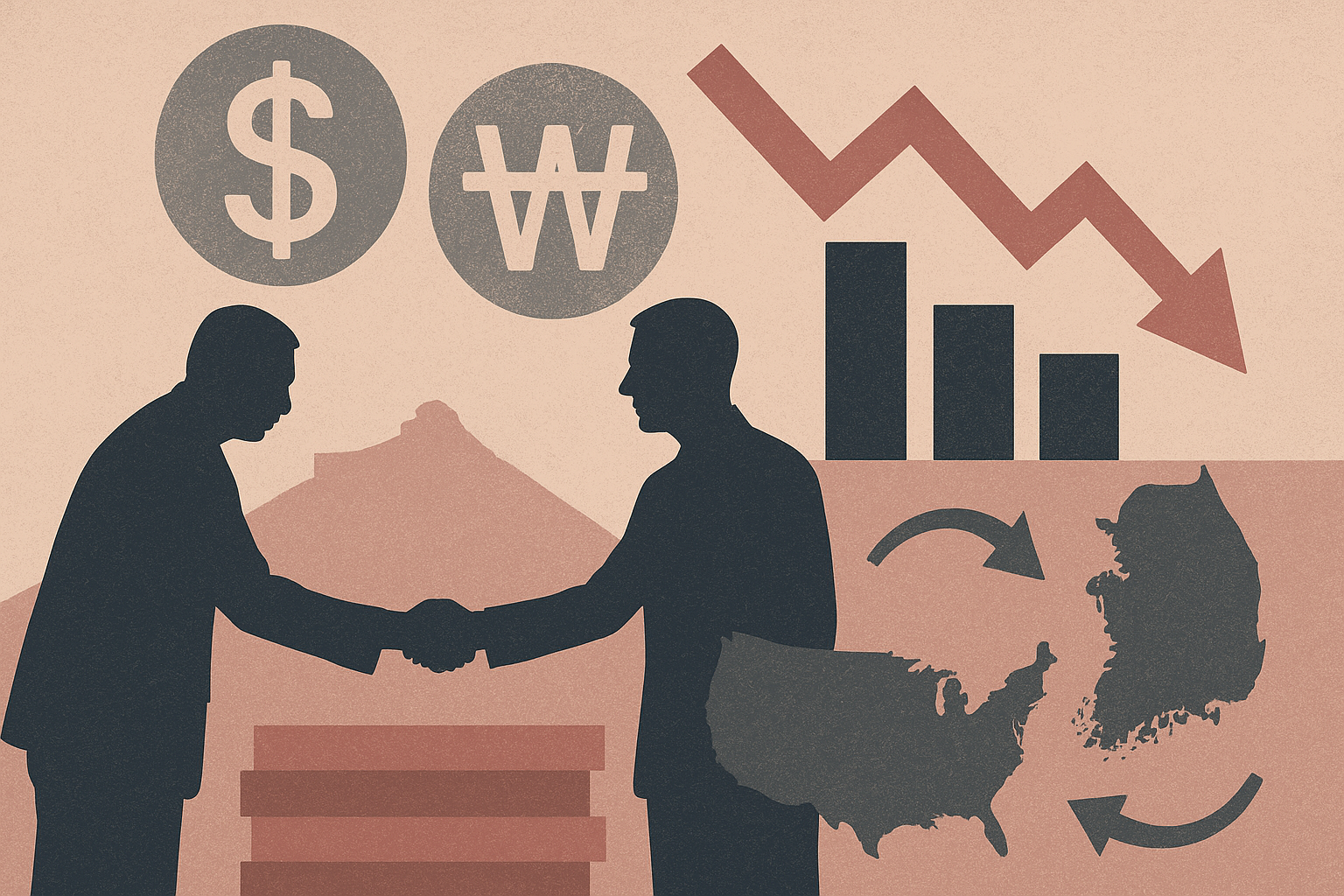
South Korea’s financial landscape is witnessing renewed efforts to advance tariff negotiations with the United States as key officials prepare for crucial discussions. This month, South Korean Finance Minister Koo Yoon-cheol is scheduled to meet with US Treasury Secretary Scott Bessent in Washington, DC. The meeting is anticipated to address ongoing issues surrounding a significant $350 billion investment pledge from South Korea aimed at bolstering economic ties between the two nations. With high-level talks resuming, there is cautious optimism that both parties may find common ground on several contentious points, particularly regarding currency swap arrangements.
Renewed High-Level Discussions
This month marks an important moment for South Korean and US officials as they seek to overcome a stalemate in their tariff discussions. The negotiations have been largely focused on the specifics of Seoul’s promised $350 billion investment package in the US economy, which has significant implications for both countries’ financial stability. Finance Minister Koo Yoon-cheol’s upcoming meeting with Treasury Secretary Bessent is seen as a critical opportunity to address these issues directly.
The details of their meeting—such as the timing and specific agenda—are still being finalized according to sources familiar with the situation. However, this engagement has sparked cautious optimism among stakeholders regarding potential resolutions over key demands from Seoul, including an unlimited currency swap line. This aspect is particularly vital given its pivotal role in facilitating broader negotiations surrounding the substantial investment commitment.
Background on Tariff Talks
The backdrop for these discussions includes recent dialogues between South Korean President Lee Jae Myung and US President Donald Trump, where trade relations were a focal point. Their August 2025 bilateral meeting underscored the importance of constructive dialogue aimed at achieving more favorable trade conditions.
In early October, South Korea submitted a revised memorandum of understanding proposal to Washington that seeks changes in existing tariff agreements. This proposal comes after Trade Minister Kim Jung-kwan’s recent visit to New York for talks with US Commerce Secretary Howard Lutnick concerning details of the tariff agreement.
Key Points of Discussion
The revised memorandum includes several essential demands: an unlimited currency swap arrangement, reasonable limits on direct investments by South Korea in the US market, and assurances that Seoul will have input on choosing viable investment targets based on commercial interests. These adjustments reflect President Lee’s call for rational approaches during negotiations with American officials.
High-Stakes Economic Collaboration
The upcoming meetings are set against a backdrop of mutual interest in fostering economic cooperation through substantial investments. The proposed $350 billion investment fund is not merely an economic strategy; it signifies deeper ties between the two economies amidst global uncertainties. However, unresolved issues such as visa disputes and currency swap arrangements could impact these ambitions if left unaddressed.
Anticipating Outcomes
Finance Minister Koo Yoon-cheol’s discussions this week are expected to continue beyond Washington DC, extending into follow-up meetings at upcoming events such as the Asia-Pacific Economic Cooperation (APEC) Finance Ministers’ meeting scheduled later this month in Korea and at subsequent summits aimed at solidifying trade partnerships.
Paving the Way Forward
The outcome of these high-level discussions will be pivotal not only for immediate tariff agreements but also for long-term economic collaboration between South Korea and the US. As both sides engage actively in negotiations that have previously stalled due to disagreements over currency provisions and investment terms, stakeholders remain hopeful that effective solutions can be reached soon.
Conclusion: A Path Towards Resolution
The series of meetings planned between South Korean officials and their American counterparts presents a promising opportunity to resolve lingering disputes regarding tariffs and investments effectively. By addressing critical issues like currency swaps head-on, both nations can work towards enhancing their economic relationship while ensuring mutual benefits from increased trade flows. Continued dialogue will be essential as they navigate these challenges together and strive toward establishing a robust framework that supports bilateral growth.