
Prioritize your financial well-being for a thriving future
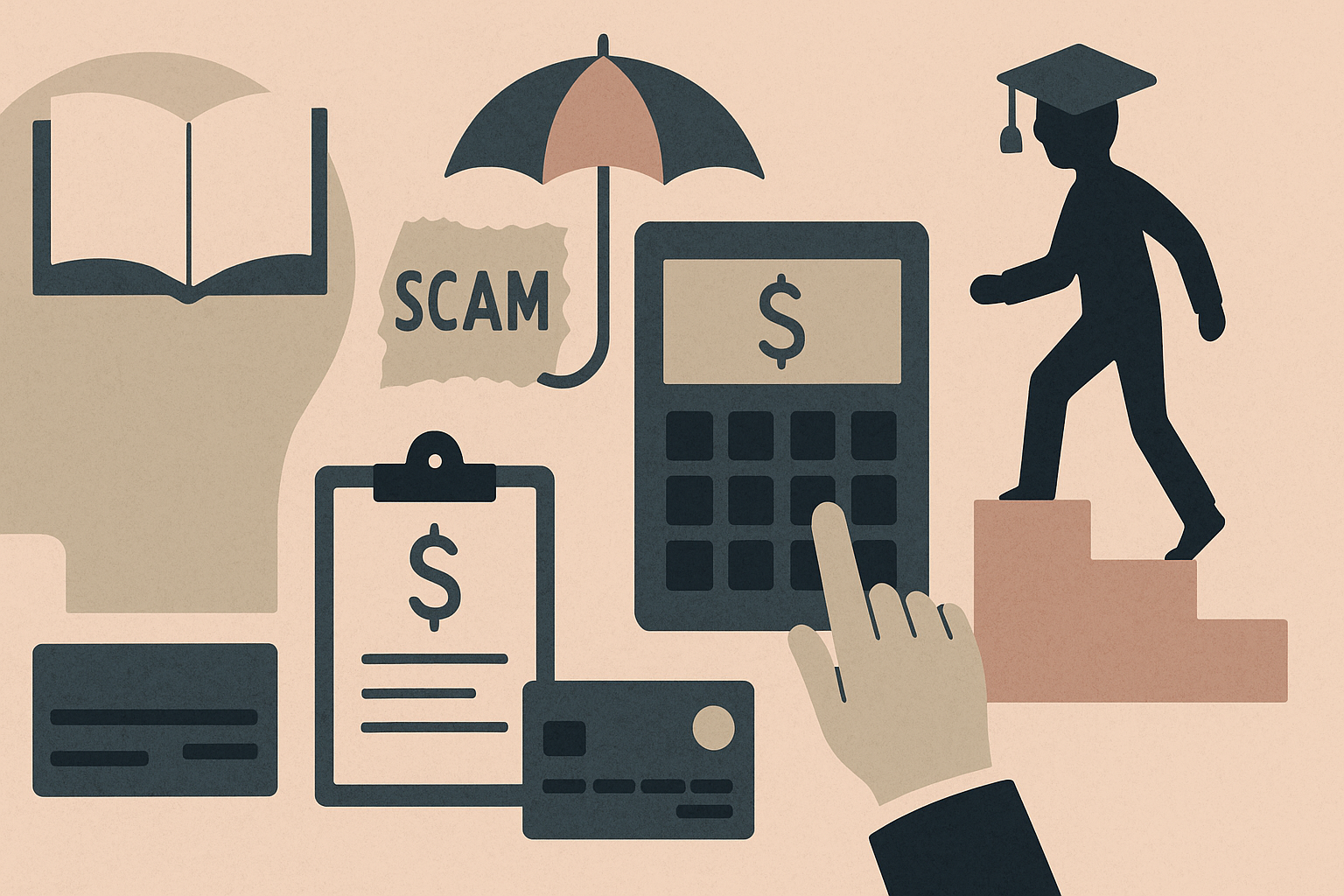
Focusing on your financial health is essential for achieving long-term stability and prosperity. If you’ve been putting off your savings and investment goals, now is the perfect moment to take charge. Many people find it challenging to know where to begin, especially if they lack experience in managing their finances. Fortunately, taking control of your financial future doesn’t have to be overwhelming. With the right strategies and tools, you can turn your situation around effectively. This text will outline key steps you can take to prioritize your financial well-being, from creating a solid plan to tracking your spending and preparing for unexpected events.
Establishing Your Financial Plan
Your financial goals are unique and influenced by various factors such as your current situation, priorities, and life stage. For instance, someone who has just graduated from college may focus on repaying student loans while starting retirement savings. In contrast, individuals nearing retirement might need to adjust their investment portfolios and evaluate future expenses carefully. To meet these diverse needs, it’s crucial to create an actionable plan tailored specifically for you.
Free tools provided by financial platforms can offer clarity about your financial status and assist in maintaining focus on your objectives. Once you have a better grasp of where you stand financially, it becomes easier to refine your strategy further.
Monitoring Your Spending and Creating a Realistic Budget
The first step towards saving or achieving other financial goals is understanding where your money goes each month. Start by listing all monthly expenses; this exercise helps identify areas where cuts can be made. Perhaps there are subscriptions you no longer utilize or dining expenses that could be reduced significantly.
After evaluating spending habits, it’s time to build a budget that works for you. Begin with mapping out income alongside fixed costs like rent or mortgage payments, car insurance, and utility bills before estimating variable expenses such as groceries and entertainment.
As you design this budget, think about potential areas for reducing expenditures while remaining flexible enough to adapt throughout the year based on changing needs—whether planning for vacations or holiday gift shopping.
Regular Financial Check-Ins
Consistently monitoring the state of your finances is vital for staying informed about any changes or trends in spending habits over time. To encourage consistency in this practice, schedule regular “appointments” in your calendar—decide what frequency works best for both yourself and any family members involved.
A weekly review should involve checking spending against the established budget along with balances in checking accounts and upcoming bill due dates. Monthly reviews should focus more deeply on all assets including retirement accounts while reviewing credit scores along with recurring subscriptions or memberships.
This dedicated time allows you not only track progress but also set new short-term goals while adjusting budgets accordingly as needed.
Preparing for Unexpected Events
If an emergency fund isn’t currently part of your finances, consider building one that covers three to six months’ worth of living expenses gradually over time through careful budgeting practices. This reserve proves invaluable during unpredictable situations such as medical emergencies or job loss since having this cushion protects against significant disruptions impacting long-term financial aspirations.
The “What If” worksheet available through various platforms serves as an excellent tool designed specifically for anticipating potential challenges while enhancing overall preparedness.
Smart Shopping Strategies
Avoid paying full price whenever possible—though it sounds simple enough; implementing smart shopping strategies makes a considerable difference over time! For instance: consider planning grocery lists around sales promotions; browse discounted merchandise when upgrading wardrobes; leverage couponing websites offering cashback deals online—all these actions contribute positively toward saving efforts.
If impulse purchases tempt you during shopping trips—create lists beforehand sticking closely unless adding one or two discretionary items labeled ‘TBD’ (to be determined). This approach permits some flexibility without derailing overall plans too drastically as moderation remains key across all aspects of consumer activity.
Conclusion: Taking Control of Your Financial Future
Pursuing improved financial health doesn’t have to feel daunting when approached systematically! By crafting personalized plans focused on individual circumstances coupled with consistent monitoring processes—such efforts translate into meaningful progress toward meeting desired objectives over time.