
Must-read personal finance books for savvy investors
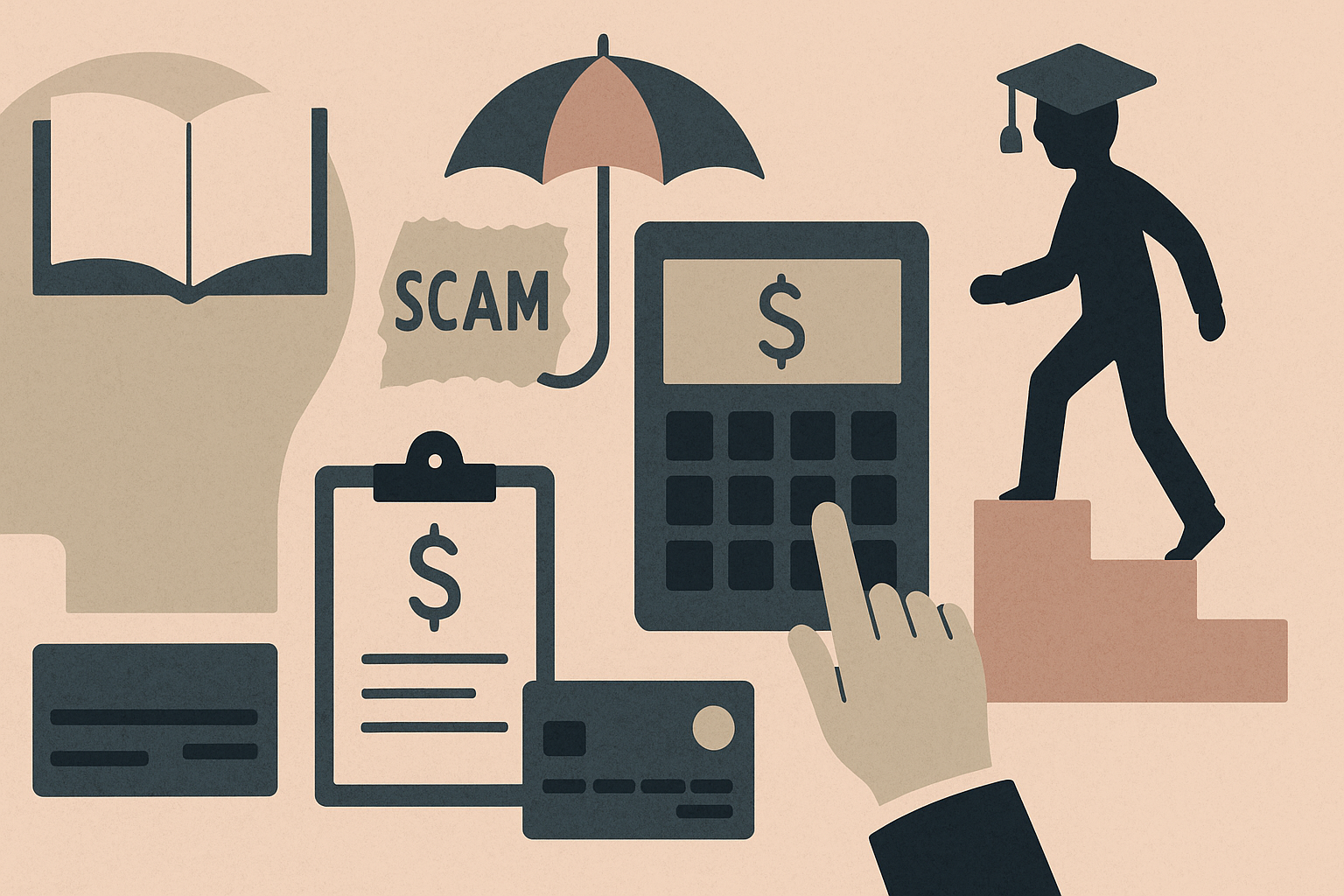
Successful investing goes beyond simply choosing stocks; it requires a thorough understanding of financial principles, effective risk management, and the discipline to maintain your strategy over time. The most accomplished investors often prioritize personal finance education, making them more adept at navigating the complexities of the financial world. If you are just starting out in investing or looking to enhance your financial knowledge, consider these ten essential personal finance books that can help build a strong foundation for your investment journey.
1. The Richest Man in Babylon
This enduring classic presents timeless wisdom through Babylonian parables that impart practical money lessons. Its straightforward language conveys essential principles—such as living within your means, saving regularly, and investing wisely—that still resonate today.
Key Takeaway
Begin by saving at least 10% of your income and cultivate wealth through patience and disciplined investment practices.
2. The Intelligent Investor
Widely regarded as the definitive guide to investing, this book provides in-depth insights into value investing and market psychology. It underscores the necessity of adopting a long-term perspective, ensuring a margin of safety, and steering clear of speculative ventures.
Key Takeaway
Differentiating between investing and gambling is crucial; understand your risk tolerance and remain rational during market fluctuations.
3. Rich Dad Poor Dad
This modern classic contrasts two different approaches to wealth: one from Kiyosaki’s biological father (the “poor dad”) and another from his mentor (the “rich dad”). It emphasizes the importance of financial literacy, recognizing assets versus liabilities, and creating passive income streams.
Key Takeaway
Instead of merely working for money, learn how to make money work for you.
4. Your Money or Your Life
This transformative book encourages readers to reassess their relationship with both money and time. It prompts individuals to evaluate their spending based on life energy expended while guiding them toward achieving financial independence.
Key Takeaway
Spend purposefully by aligning your finances with your core values while assessing what your time is genuinely worth.
5. The Millionaire Next Door
Diving into extensive research on American millionaires, this book reveals that many are frugal, disciplined individuals who eschew extravagant lifestyles for steady investment habits and calculated budgeting strategies.
Key Takeaway
Your wealth accumulation largely hinges on behavior and mindset rather than high earnings or luck alone.
6. I Will Teach You to Be Rich
A practical guide tailored for young professionals, this book outlines a six-week program designed to help automate finances, eliminate debt, and begin investing effectively. Sethi emphasizes conscious spending alongside optimizing savings strategies.
Key Takeaway
Create systems that allow your finances to operate on autopilot so you can dedicate more time to activities you enjoy.
7. The Psychology of Money
A vital read for anyone interested in how emotions influence financial decisions, Housel’s concise chapters provide profound insights about risk-taking behavior, luck, compounding effects, and common irrational actions among investors.
Key Takeaway
Your behavior with money often holds more significance than mere knowledge about it; fostering good habits is crucial.
8. Unshakeable: Your Financial Freedom Playbook
This condensed version of Robbins’ earlier work offers a clear roadmap towards achieving financial freedom through actionable strategies focused on smart investments while minimizing fees and managing stress during turbulent times in the markets.
### Mastering Personal Finance: Core Principles
Money touches every aspect of our lives yet many lack formal education regarding its management. Here’s a brief guide covering fundamental principles:
1. **Spend Less Than You Earn:** This foundational principle sets the stage for building wealth—track both income and expenditures diligently.
2. **Establish an Emergency Fund:** Aim for three to six months’ worth of expenses saved in a high-yield account as protection against unforeseen circumstances.
3. **Avoid High-Interest Debt:** Actively pay down credit card balances while only borrowing for valuable investments like education or real estate.
4. **Invest Early & Consistently:** Consider using index funds for diversification; let compound interest work over time.
5. **Protect Your Wealth:** Ensure adequate insurance coverage exists along with planning for retirement—future security is paramount.
You do not need extraordinary wealth to achieve prosperity; developing solid habits paired with discipline over time will lead you there.
### Conclusion
These ten personal finance books provide invaluable knowledge that can empower any investor looking to navigate their financial landscape effectively. By embracing these core teachings—whether you’re just beginning or want to refine existing skills—you set yourself up not only for better investment success but also greater overall financial well-being.
For additional resources related to personal financing options or learning materials about managing finances effectively visit [applyforfinancing.com](https://applyforfinancing.com).