
Millennials expose shocking financial truths: unsustainable practices revealed
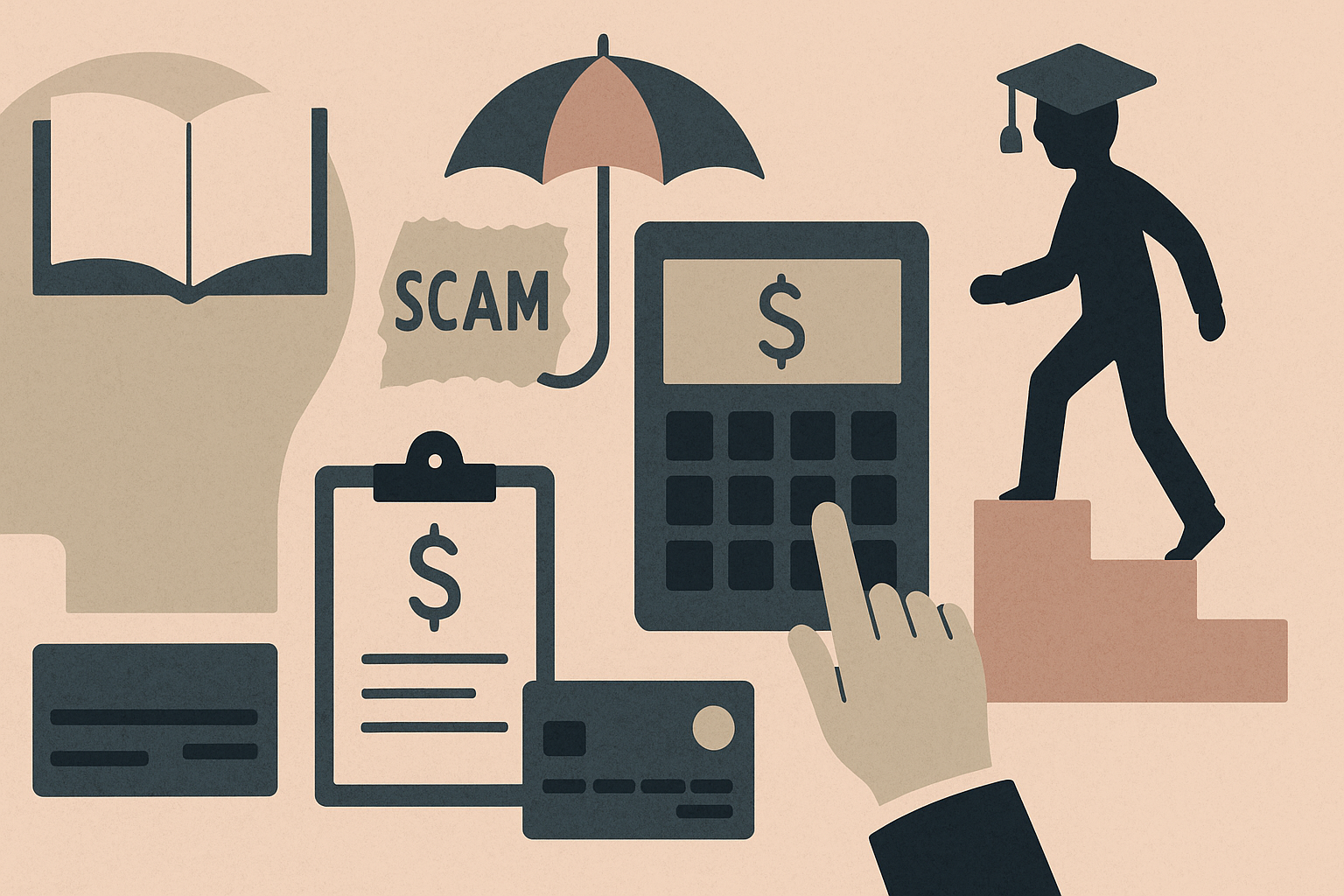
Millennials are increasingly vocal about their financial struggles, shedding light on the harsh realities of debt, housing insecurity, and economic instability through social media platforms like Reddit. A recent post on Reddit sparked a wide-ranging discussion among millennials who shared their experiences with financial hardships, revealing a sobering narrative about the challenges they face. As this generation grapples with high student loan debt, stagnant wages, and rising living costs, many express feelings of hopelessness regarding their financial futures. In this text, we will explore the key themes emerging from these discussions and analyze the broader implications for millennials’ financial well-being.
The Financial Landscape for Millennials
Millennials—individuals born between 1981 and 1996—are now entering their late twenties to early forties. Unfortunately, many find themselves in stark contrast to previous generations concerning wealth accumulation and disposable income. The initial spark for this conversation arose from an anonymous Reddit user who asked if anyone knew of financially stable millennials. They juxtaposed this query against the more common narrative of struggling peers who are living paycheck to paycheck or facing homelessness.
The thread quickly gained traction, amassing thousands of upvotes as users began sharing personal stories that highlighted a growing sense of despair. Many respondents admitted that despite working full-time jobs, they still battle significant financial insecurity. The overwhelming sentiment was one of exhaustion from trying to make ends meet without much success.
A Perfect Storm of Economic Pressures
Experts attribute the dire situation faced by many millennials to a combination of factors that have created an economic environment rife with challenges. Alexander Ketter, a consumer finance specialist, describes this phenomenon as a “perfect storm” caused by several interrelated issues:
- Job Market Challenges: Many millennials entered the workforce during or immediately after the Great Recession—a period marked by limited job opportunities and suppressed wages during crucial career-building years.
- Housing Affordability: Rising housing prices mean that many millennials struggle to afford homes or even rent in desirable areas.
- Student Loan Debt: With record levels of student debt weighing heavily on their finances, millennials often find it difficult to save or invest for future goals.
- Inflation vs. Wage Growth: Current inflation rates often outpace wage increases, leaving little room for discretionary spending or savings.
This confluence of factors has led many young adults to delay essential life milestones such as buying homes or saving for retirement—not because they choose to but out of necessity due to overwhelming daily expenses and debt obligations.
The Role of Digital Spending Habits
The digital age has transformed how people manage finances; unfortunately, it has also paved the way for increased spending habits among younger generations. Ketter points out that online shopping convenience can lead individuals into overspending without them even realizing it:
- Simplified Spending: One-click purchases and subscription services can quietly drain bank accounts month after month.
- Social Media Pressure: A culture fueled by social media encourages comparison among peers regarding lifestyle choices and expenditures—creating additional pressure that often results in impulse buying.
This combination creates a scenario where millennials work tirelessly yet feel as though they are falling behind economically—a disheartening reality shared across numerous comments in response to the original Reddit post.
A Call for Practical Solutions
Ketter emphasizes that despite these challenges, there are practical solutions available for millennials looking to improve their financial situations:
- Utilizing Resources: Taking advantage of coupons and cashback programs can help stretch budgets further than anticipated.
- Savings Automation: A crucial step is automating savings plans so money is set aside before other expenses take priority.
- Spending Limits: Capping monthly spending based on individual budgets can prevent overspending habits from taking hold.
The conversations surrounding these issues reveal not just isolated hardships but also illuminate broader economic narratives resonating throughout this generation’s collective experience. While comments reflect difficult realities—such as being only a few paychecks away from homelessness—they also underscore an urgent need for community connection through shared struggles.
A Glimmer of Hope Amidst Financial Struggles
Beneath the weighty discussions about financial insecurity lies an important takeaway: Millennials are actively seeking connection within their experiences. Comments such as “I live negative paycheck to negative paycheck” resonate deeply across numerous responses; however, they also illustrate solidarity among those facing similar predicaments.
This sense of community can potentially foster support systems aimed at helping individuals navigate these turbulent times together—whether through peer advice or collective action advocating for better economic conditions overall.
The viral nature of posts detailing millennial struggles signals not only desperation but also resilience—a desire among many young adults today not only to share hardships but ultimately seek solutions together within an increasingly challenging world[1].
—
If you have any more requests or need further modifications to this content, feel free to ask!