Julie Turpin and Andy Watts on co-designing smarter benefits
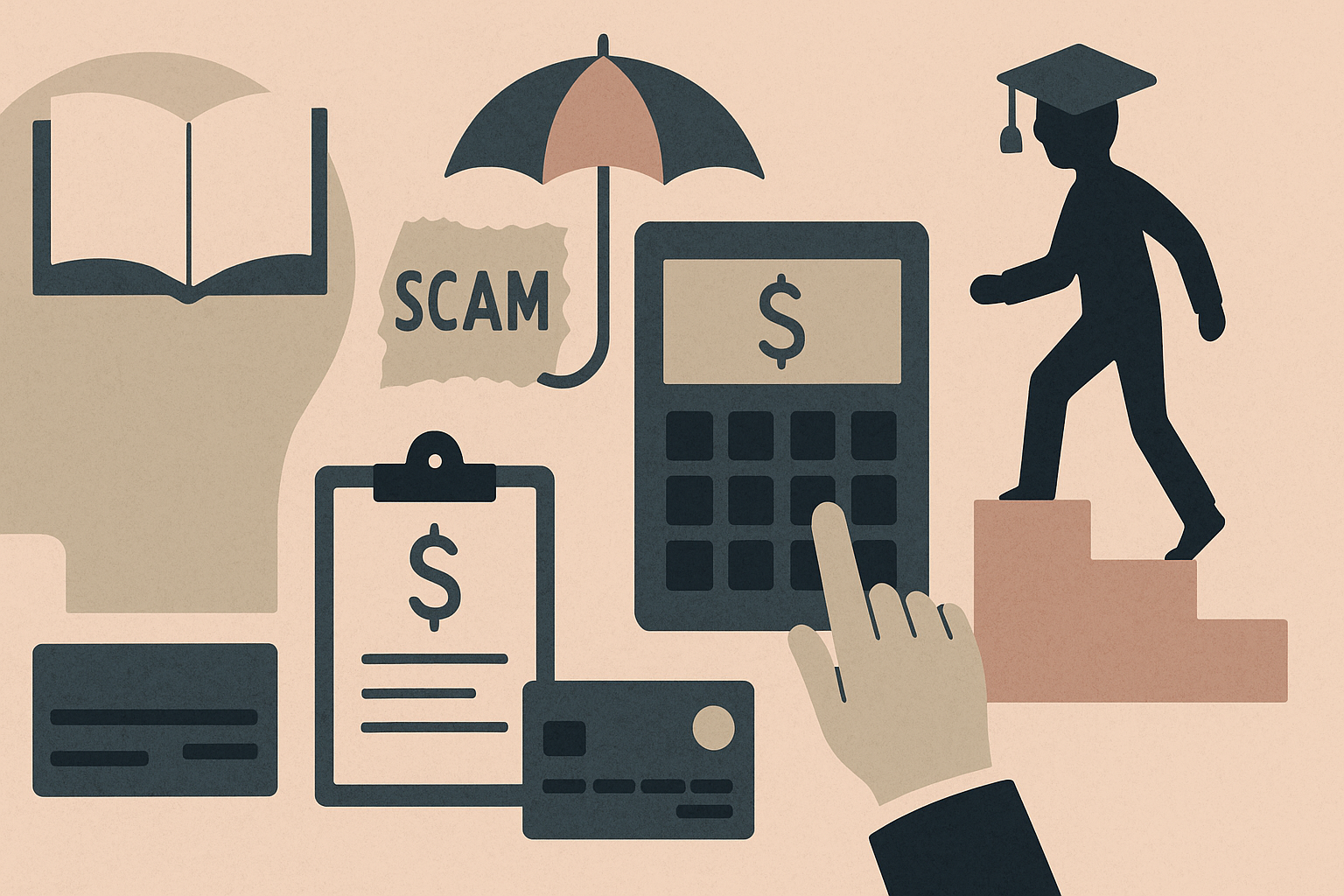
In today’s competitive business landscape, it is crucial for finance and HR leaders to collaborate effectively in order to design employee benefits that not only meet individual needs but also align with organizational goals. By co-designing smarter benefits, companies can enhance employee engagement, trust, and overall satisfaction. This collaborative approach enables organizations to treat employee benefits as strategic investments rather than mere expenses. By integrating the insights from both finance and HR perspectives, businesses can create a framework that fosters a positive company culture while driving long-term success.
The Importance of Collaboration Between Finance and HR
The partnership between finance and HR is essential for creating an effective benefits program. Each department brings unique insights: HR understands the needs and preferences of employees, while finance focuses on cost management and return on investment. When these two functions work together, they can develop a comprehensive approach to benefits that serves both employees and the organization.
Aligning Benefits with Company Values
To create meaningful benefits, it’s important for organizations to align them with their core values. Employees are more likely to engage with programs that resonate with their personal beliefs and the overall mission of the company. For instance, if an organization prioritizes wellness, implementing health-related benefits such as gym memberships or mental health support can reinforce this value. Additionally, when employees see that their employer invests in initiatives that matter to them, it builds trust and loyalty.
Enhancing Employee Engagement Through Strategic Design
Engaging employees involves more than just offering traditional benefits; it requires thoughtful design tailored to their diverse needs. Regular feedback mechanisms should be established to ensure that benefit offerings remain relevant over time. By actively seeking input from employees about what they value most in their benefits package—be it flexible working arrangements or enhanced parental leave—companies can refine their offerings accordingly.
Driving Long-Term Business Success
A well-structured employee benefits program contributes significantly to long-term business success by improving retention rates and attracting top talent. Employees who feel valued through comprehensive benefit packages are less likely to seek employment elsewhere. Moreover, such investments lead to higher productivity levels as satisfied employees tend to be more engaged in their work.
Framework for Designing Employee Benefits
Creating an impactful employee benefits program requires a systematic approach that integrates financial strategy with cultural considerations. A robust framework may include several key components:
1. Assessing Employee Needs
The first step in designing effective benefits is conducting surveys or focus groups to understand employee preferences thoroughly. This data-driven approach ensures that offerings are tailored specifically for your workforce demographic.
2. Analyzing Cost Implications
Finance teams must evaluate the costs associated with various benefit options while considering potential returns on investment related to employee engagement and satisfaction levels. Understanding these dynamics helps prioritize which programs will yield the best outcomes without compromising financial stability.
3. Implementing Technology Solutions
The integration of technology plays a pivotal role in modernizing benefit delivery processes; platforms for enrollment management or wellness tracking can streamline operations while enhancing user experience for employees.
4. Continuous Improvement Through Feedback Loops
A commitment to continuous improvement ensures that benefit offerings evolve alongside changing workforce demands or market trends. Establishing regular check-ins allows organizations not only to assess satisfaction but also adapt quickly based on emerging needs within the workforce landscape.
The Role of Real-Time Feedback in Driving Engagement
A powerful aspect of designing effective employee benefits lies in gathering real-time feedback from participants regarding their experiences with existing programs or services offered by employers.
Incorporating tools like pulse surveys allows companies instant insights into how well current initiatives resonate among staff members—enabling swift adjustments as needed based on collective input received regularly from team members across departments.
This proactive approach nurtures ongoing dialogue between leadership teams responsible for shaping policy directions around workplace perks while empowering individuals themselves by giving them voice regarding what matters most!
Cultivating a People-First Culture through Benefits Design
An organizational culture centered around people encourages collaboration between departments while emphasizing inclusivity throughout decision-making processes.
By focusing primarily upon individuals’ well-being during times when stressors often arise (such as economic downturns), firms exhibit genuine concern towards those who contribute daily efforts towards overall success!
When leaders prioritize empathy within workplace policies surrounding health care options available during challenges faced collectively across communities—trust deepens between stakeholders involved at every level facilitating mutual respect which ultimately drives performance forward!
Email Integration: Enhancing Communication about Benefits Offerings
Easily accessible communication channels help keep all staff informed about available resources available anytime they need assistance navigating various aspects associated directly linked back onto chosen plans made earlier based upon previous evaluations conducted earlier!
Regularly scheduled newsletters featuring updates reflecting changes made along timelines serve dual purposes: reinforcing transparency practices instigated through shared understanding surrounding objectives pursued strategically behind scenes coupled alongside engaging content highlighting stories showcasing successes achieved collectively throughout organization!
Conclusion: Emphasizing Collaborative Approach Towards Smarter Benefits Design
The journey toward creating smarter employee benefit designs hinges upon collaboration between finance leaders & human resources professionals alike—working hand-in-hand ensures alignment exists amongst values upheld internally versus externally projected outwardly across stakeholders involved during all stages.
By establishing frameworks built around assessments focusing entirely upon individuals’ needs allowing flexibility adapting swiftly according evolving circumstances encountered makes way forward clear ahead paving paths ultimately leading towards greater engagement fostering loyalty resulting increased productivity translating directly into bottom-line improvements thereby yielding wins shared amongst everyone participating actively along way!