
Inflation-proof your finances with these five strategies
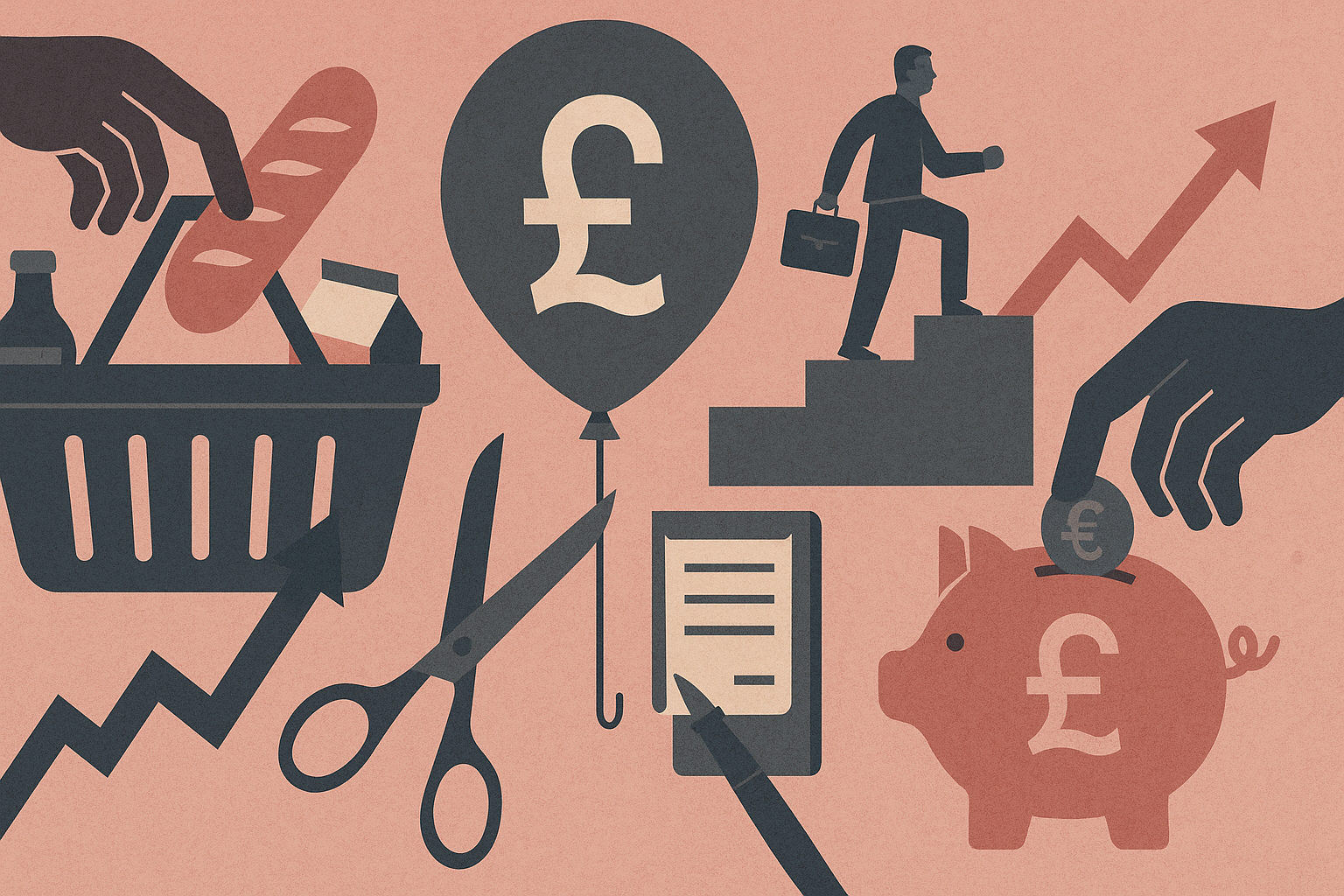
As inflation continues to impact everyday expenses, many individuals are seeking effective strategies to protect their finances. The feeling of money diminishing in value can be disheartening, especially when costs for essentials like groceries and gas keep rising. Fortunately, there are proactive measures you can take to safeguard your financial health amid these economic challenges. This article outlines five practical ways to inflation-proof your finances in 2025, allowing you to maintain stability and even thrive despite price fluctuations.
1. Trim Unnecessary Expenses
The first step in fortifying your finances is identifying areas where you can reduce spending. Begin by monitoring your monthly expenses closely. Many people are surprised at the seemingly small recurring charges, such as streaming services or app subscriptions, that add up over time. By trimming these unnecessary costs, you create more room in your budget for essential expenditures, enabling you to better weather the effects of inflation.
Focus on Your Spending Habits
Tracking your spending for a month can provide valuable insights into where your money goes. Analyze each expense and categorize them into necessities and luxuries. This exercise often reveals opportunities to cut back without sacrificing quality of life. For instance, consider downgrading subscription services or sharing memberships with friends or family members. By prioritizing essential needs over wants, you’ll create a stronger financial foundation as prices rise.
2. Secure Fixed Costs
If you’re renting a home or have debt obligations, it’s wise to negotiate fixed-rate agreements where possible. For renters, locking in longer leases may help shield you from future rent increases resulting from inflationary pressures. Similarly, if you’re considering refinancing existing debt, opting for a fixed-rate loan can provide peace of mind knowing that your payments will remain stable regardless of market fluctuations.
The Value of Certainty
In an unpredictable economic climate, having certainty regarding monthly expenses can alleviate stress and provide reassurance about budgeting accurately each month. Whether it’s rent or mortgage payments and loan interest rates, ensuring these remain constant makes it easier for you to manage your finances effectively amid changing circumstances.
3. Invest in Skill Development
Investing in yourself is one of the most effective ways to enhance your earning potential during times of inflation. Upskilling—learning new tools or improving existing skills—can open doors for additional income opportunities outside your primary job role.
Diversify Your Income Streams
Consider learning new skills like coding or automation that are increasingly relevant in today’s job market. Not only does this increase your value as an employee but it also provides flexibility should you need to pivot careers or take on freelance work for extra income during tougher financial periods.
4. Allocate Funds Towards Essentials
An innovative approach involves setting aside funds specifically for essential purchases like food and gas—a concept known as maintaining a ‘price-resistant’ fund. Unlike emergency savings which may be reserved for unexpected situations, this fund allows you to proactively address rising costs without derailing other parts of your financial plan.
The Importance of Financial Buffers
This dedicated cash reserve acts as a buffer against price increases on necessities that typically affect budgets the most during inflationary periods. By having immediate access to funds earmarked for essentials helps alleviate anxiety associated with fluctuating prices while promoting smarter budgeting practices.
5. Invest in Essential Industries
Another strategy is focusing investments on sectors that tend not only survive but thrive during times of inflation—such as energy production, agriculture, and healthcare industries known for their resilience against economic volatility.
Easing Into Asset Management
You don’t need to overhaul your entire portfolio overnight; instead start gradually shifting toward investments linked with essential goods and services over time—this transition will assist in stabilizing investment returns amidst rising costs impacting other asset classes significantly less favorably during high-inflation environments.
Your Path Forward Amid Inflationary Pressures
Taking proactive steps now will strengthen both individual budgets while fostering long-term financial wellness no matter what shifts occur within broader economic landscapes ahead throughout 2025 and beyond! Remember: making informed choices today sets up greater opportunities tomorrow! Start implementing these strategies today so that when prices rise—your finances won’t flounder!