
Four tips for safeguarding your financial data
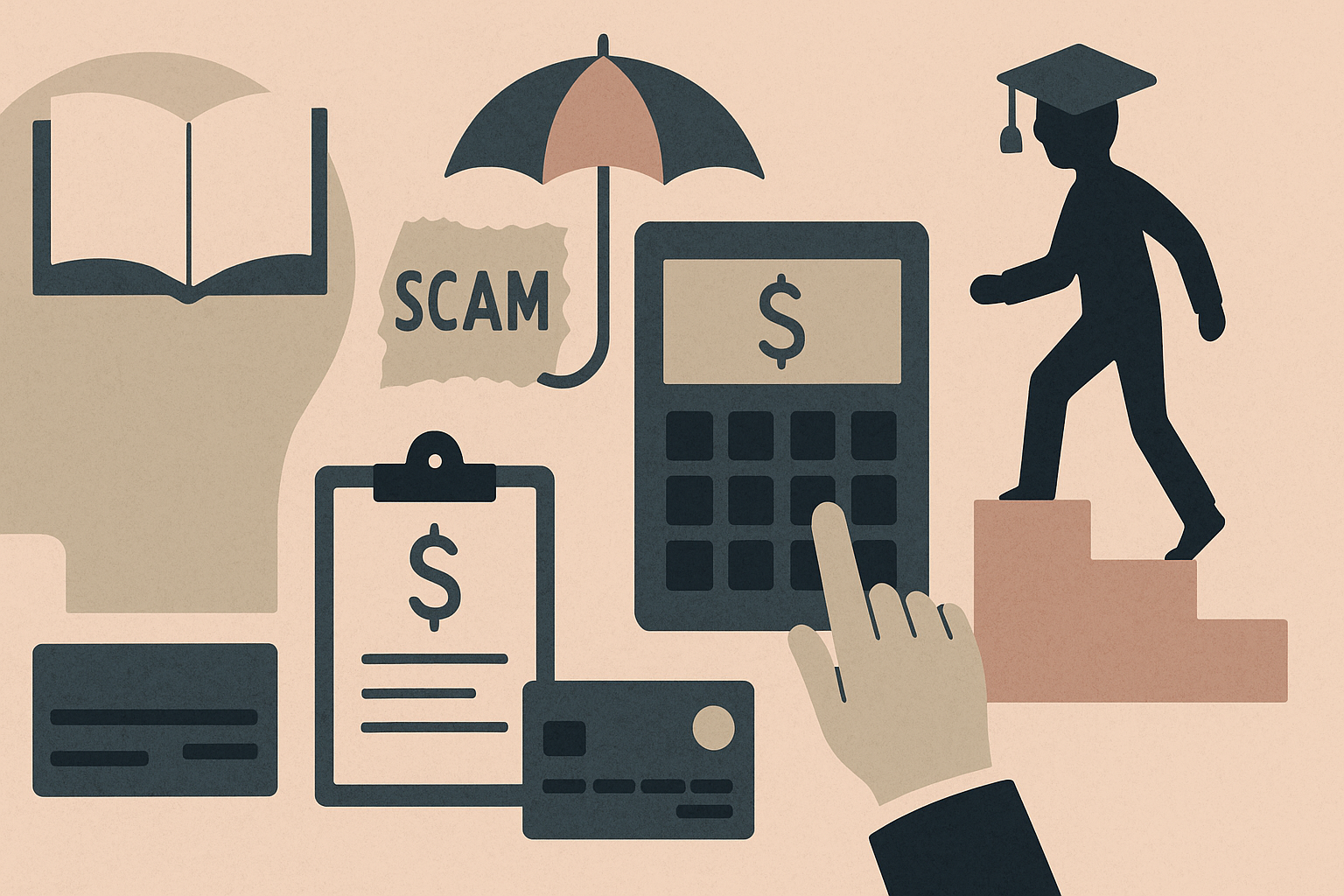
In today’s rapidly evolving digital landscape, safeguarding your financial information has never been more critical. With an influx of data breaches and sophisticated scams, it’s essential to adopt proactive measures to protect your sensitive financial data. Although no single strategy can guarantee complete safety, there are several effective practices you can implement to minimize your risks. This article outlines four key strategies for keeping your financial information secure and offers practical advice for navigating the modern threats that exist.
1. Be Cautious with Incoming Communications
Scammers frequently use impersonation tactics to deceive individuals into disclosing personal information. Often, they masquerade as trusted businesses or financial institutions. According to experts, a fundamental rule to follow is that if an offer seems too good to be true, it likely is. Be wary of any unsolicited emails or messages that promise unexpected prizes or job opportunities.
Recognize Red Flags
Stay alert for communications asking for personal details such as your Social Security number or banking information. If you receive a call requesting this type of data, it’s advisable to hang up and contact the organization directly using a known phone number. Scammers are becoming increasingly adept at mimicking legitimate calls through advanced technologies like AI, making it crucial to verify any request for sensitive information.
Take Precautionary Measures
Yolanda Ayira, who teaches digital literacy classes, emphasizes that if someone on the phone asks for money or personal details—even if their voice sounds familiar—you should disconnect immediately and call them back using a verified number. This cautious approach helps prevent falling victim to sophisticated scams.
2. Limit Your Personal Information Sharing
Another effective way to protect your financial data is by minimizing the amount of personal information you share online. For instance, avoid providing unnecessary details like your Social Security number during visits to healthcare providers or when using various apps.
Adjust Privacy Settings
Consider reviewing privacy settings on payment applications and other platforms with social components. By disabling sharing features or public settings where possible, you can enhance your privacy significantly. Unless there’s a compelling reason to share certain information, it’s best not to disclose it.
The Importance of Privacy
The more personal data you make available online, the greater the risk of identity theft and fraud becomes. Taking simple steps now can save you from potential headaches later on.
3. Regularly Monitor Your Credit Report
Staying informed about changes in your credit profile is vital for early fraud detection. Credit monitoring services can alert you about new accounts opened in your name or significant transactions affecting your accounts.
The Value of Credit Freezing
You may also want to consider freezing your credit as an additional protective measure against identity theft. A credit freeze prevents anyone from opening new accounts in your name without lifting the freeze first—a process that involves contacting each credit bureau individually.
Your Right to Access Reports
You’re entitled to free access to weekly credit reports through AnnualCreditReport.com, which allows you to keep track of any suspicious activity efficiently.
4. Implement Smart Privacy Practices in Daily Life
You might not have control over external factors like company data breaches; however, there are still numerous actions you can take within your daily routine that will help safeguard against these risks.
Add Two-Factor Authentication (2FA)
Add two-factor authentication (2FA) to all financial accounts and email services whenever possible; this adds an extra layer of security beyond just a password.
Avoid Public Wi-Fi Networks During Transactions
Avoid logging into important accounts while connected to public Wi-Fi networks; these connections are often less secure and easier targets for hackers.
Keen Monitoring Is Key
Additionally, regularly review bank statements and transaction histories so you can identify unauthorized activities quickly.
If you suspect any fraudulent activity has occurred, contact your bank immediately and report it also with local authorities such as the FBI or Federal Trade Commission.
\n\nEven though no security measure guarantees complete protection against fraud—carrying out these practices will significantly lower the chances of compromising sensitive financial data.\n\nBy taking proactive steps now, you’ll gain peace of mind knowing you’re better prepared against potential threats in today’s complex digital environment.”}