
Former governor, education leader, concerned about Gen Z’s finances
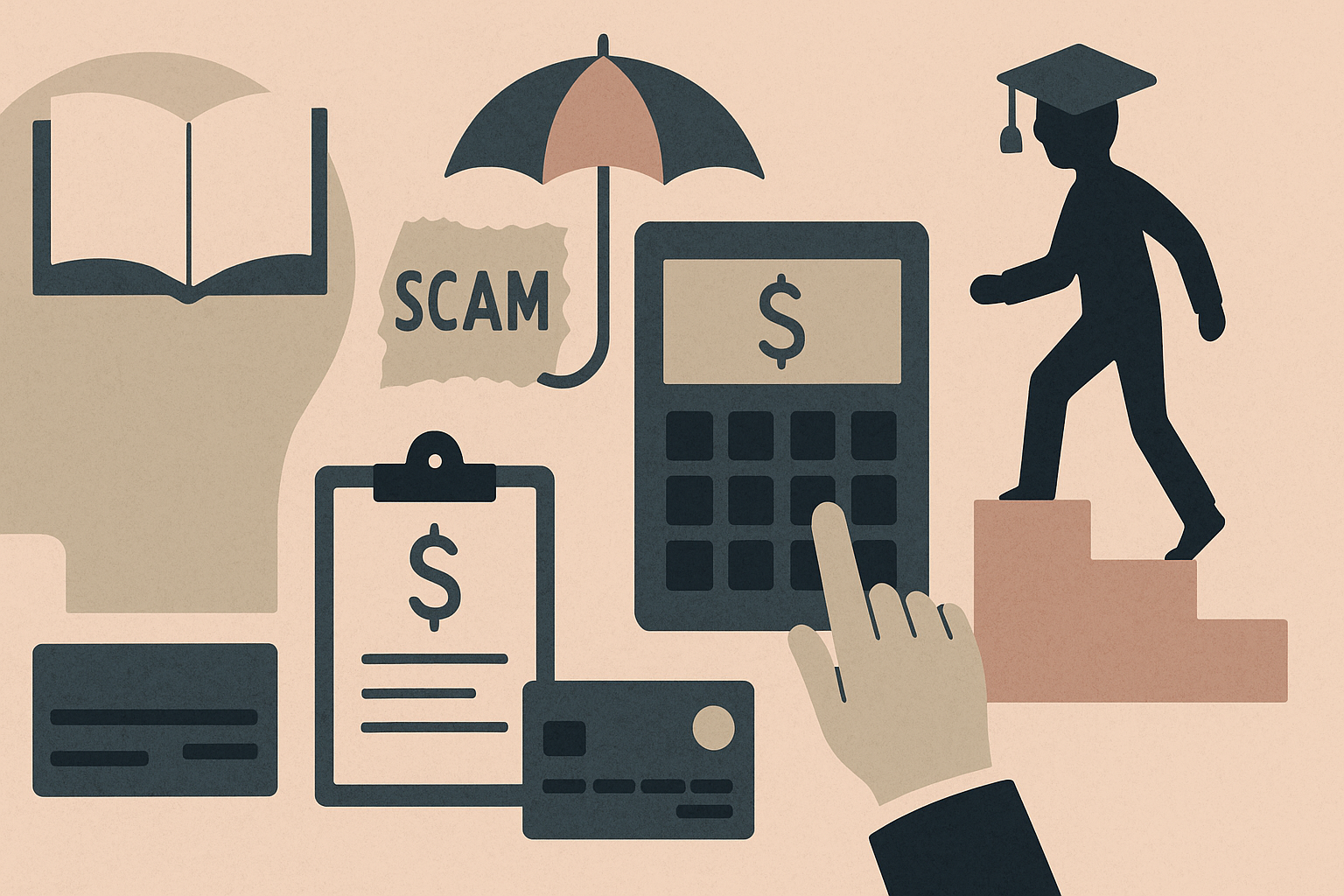
As a former governor, education leader, and a mother to three recent college graduates, I have witnessed firsthand the alarming level of financial illiteracy among Generation Z. This generation often feels uneasy discussing financial matters, with many deeming conversations about debt or salaries more uncomfortable than those around controversial topics like sex or politics. Unfortunately, this reluctance pairs with a significant lack of financial knowledge, leaving many young adults unprepared for the economic realities they will face after graduation. It is crucial that financial education becomes an integral part of the student experience to ensure they are equipped for life beyond school.
The Financial Literacy Crisis Among Gen Z
Financial literacy remains a pressing issue for Generation Z. Many students graduate from college without a solid understanding of how to manage their finances effectively. This gap in knowledge can lead to poor financial decisions that can have long-term consequences. As parents and educators, we need to recognize this disconnect and take proactive steps to address it.
The current educational framework has made strides toward incorporating financial education into K-12 curricula; however, the reality is that high school lessons on finance do not adequately prepare students for the challenges they will encounter as young adults. For example, a 17-year-old may grasp basic budgeting concepts but may struggle significantly with navigating complex issues like healthcare deductibles and credit scores once they enter the workforce.
Real-world Challenges Faced by New Graduates
As the mother of three college graduates, I’ve observed how even academically proficient students feel overwhelmed when faced with real-world financial complexities. Despite my emphasis on early investing—such as taking advantage of employer-matched retirement contributions—my daughter still needed guidance on evaluating her options upon entering her job market.
This issue is not confined to just my family; data shows that many graduates today are stepping into an uncertain job market filled with rapid changes due to generative AI and other technological advancements. According to recent findings from Handshake, more than half of the Class of 2025 feels pessimistic about starting their careers amid rising student loan payments and soaring costs for everyday essentials.
The Role of Colleges in Preparing Students
Colleges must do more than simply offer career services; they must also equip students with essential personal finance skills that match their academic training. Institutions should focus on providing practical experiences that link education directly with real-life applications in both career readiness and financial management.
Integrating Financial Education into Curricula
This approach could include initiatives similar to Intuit’s Hour of Finance program, which immerses students in realistic scenarios involving income management, budgeting, debt handling, and long-term goal setting. This hands-on learning experience allows students to build confidence while making informed choices about their finances.
Moreover, colleges can implement short courses or modules integrated into existing programs designed specifically around post-graduation financial responsibilities. Such courses would empower students by providing them with valuable insights before they enter the workforce.
The Importance of Career Path Awareness
A significant portion of Gen Z lacks awareness regarding available career paths and associated compensation packages. Approximately 40 percent of parents report limited knowledge about jobs in demand today—an unsettling sign indicating both generations are struggling with this aspect. When families do not understand which careers offer lucrative opportunities, it’s no wonder young adults feel lost regarding managing their finances afterward.
Strategies for Enhancing Financial Preparedness
To develop financially savvy graduates capable of thriving in today’s economy, colleges should treat career preparation and financial capability as interconnected elements rather than separate agendas. For instance:
- Create experiential learning opportunities: Programs like internships where students gain real-world exposure while developing essential skills can be invaluable.
- Offer workshops focused on personal finance: Schools should organize sessions covering practical topics such as budgeting techniques or investment basics tailored for new graduates entering unfamiliar territory.
- Promote mentorship programs: Pairing experienced professionals willing to guide younger individuals through challenging transitions could prove beneficial in fostering confidence along their journeys.
A Call for Action: Empowering Future Generations
The challenges facing modern graduates necessitate more than merely obtaining degrees; they require clarity coupled with competence regarding personal finances—a feat colleges cannot overlook any longer if they hope to produce well-rounded individuals ready for adulthood amidst changing economies influenced by technology trends.
\n
\nIn conclusion, integrating robust financial education within higher education institutions is imperative now more than ever before! By prioritizing these essential skills alongside traditional academics during formative years spent at universities across America (and beyond), future generations will emerge prepared not only professionally but also personally equipped financially secure lives ahead!