
Financial abuse of seniors: a hidden and costly crisis
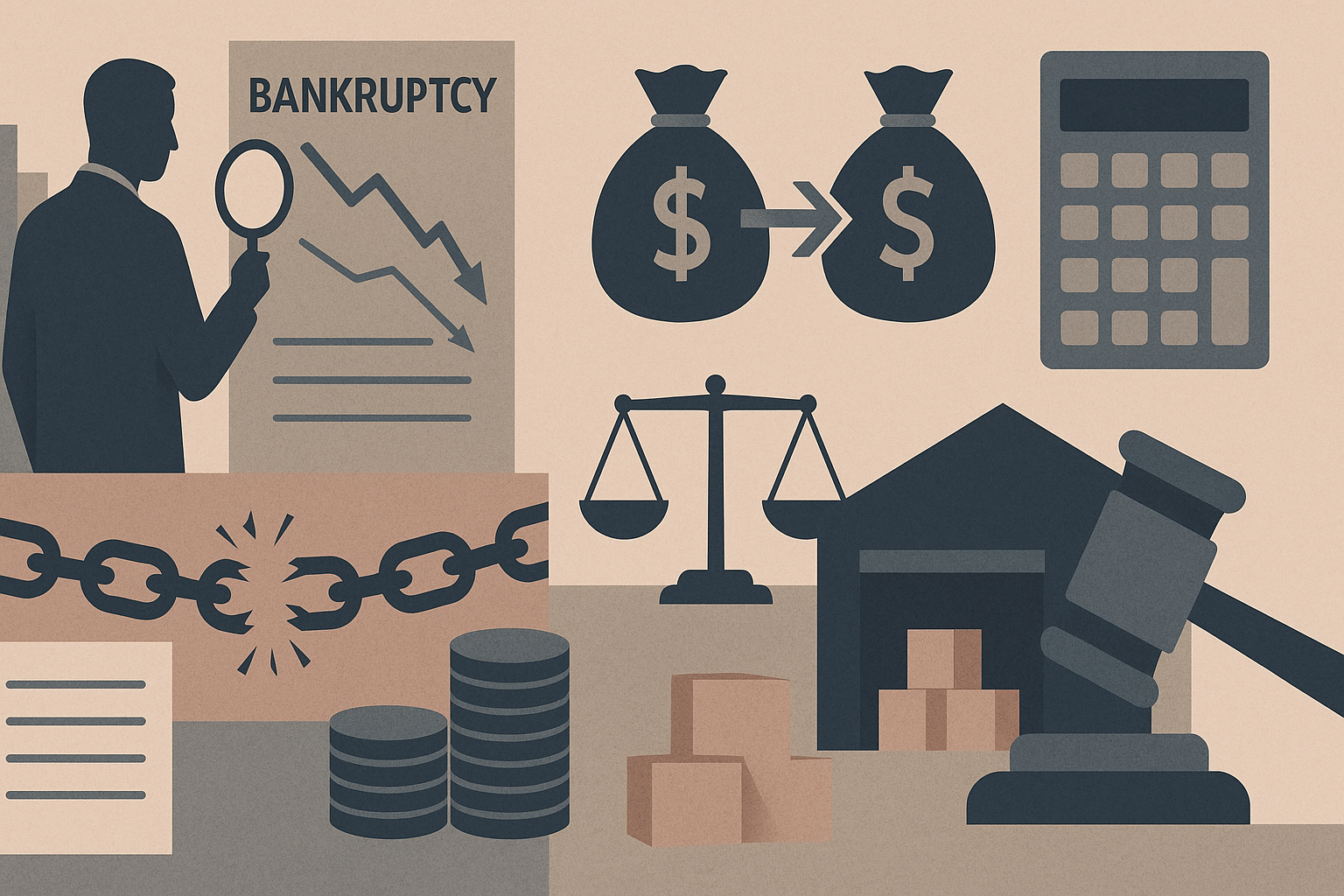
The financial exploitation of older adults is an increasingly concerning issue that poses significant emotional, psychological, and monetary risks. As technology evolves and scammers become more sophisticated, many seniors find themselves vulnerable to various forms of deceit. From fraudulent schemes involving fake tech support to manipulative family members, the consequences can be severe. This article will delve into the alarming rise of financial abuse among older adults, exploring its causes, common scams, and potential solutions to protect this vulnerable population.
The Alarming Rise of Financial Abuse Among Seniors
Financial abuse targeting older individuals is escalating at an unprecedented rate. Scammers often exploit the trusting nature of seniors who may lack the digital literacy necessary to navigate modern technology safely. While individuals of any age can fall victim to fraud, older adults are particularly susceptible due to their tendency to trust others more readily. This vulnerability is compounded by a growing digital divide that leaves many seniors ill-equipped to handle online transactions securely.
According to statistics from the FBI, over 100,000 people aged 60 and older were victims of financial fraud in 2023 alone. Notably, those aged 80 and above reported higher median losses than younger seniors or other age groups. In total, financial exploitation among seniors has contributed to a staggering loss exceeding $3 billion annually in the United States alone.
Unlike physical abuse, which often leaves visible scars, financial exploitation can go unnoticed until it’s too late—when bank accounts are drained or homes are lost. The average loss for victims typically exceeds $10,000; however, many suffer not only financially but also emotionally as they grapple with feelings of betrayal from those they trusted most.
Understanding Common Scams Targeting Seniors
Several common scams specifically target older adults:
- Tech Support Scams: Fraudsters impersonate tech support representatives claiming issues with devices or software.
- Family Impostors: Scammers pose as relatives in distress seeking urgent funds.
- Phishing Schemes: Emails or messages that appear legitimate but aim to steal personal information.
- Romance Scams: Individuals build relationships online only to request money later under false pretenses.
- Lotto or Sweepstakes Frauds: Victims are told they’ve won prizes but must pay fees upfront to claim them.
- Crytocurrency and Investment Schemes: Promises of high returns lure victims into investing their savings without proper research.
The advent of artificial intelligence has further complicated matters; scammers can now utilize AI-generated voice mimicry that closely resembles family members’ voices during phone calls. This deception makes it increasingly difficult for older adults to identify fraudulent activity before it’s too late.
The Digital Literacy Gap: A Growing Concern
The rapid shift towards digital solutions for essential services such as banking and health care has left a significant portion of the senior population behind. Research indicates that around 10% of individuals aged 65 and above do not use the internet at all; among those who do engage online, many report low confidence in managing their accounts securely or recognizing potential threats like phishing attacks.
This knowledge gap creates susceptibility toward scams targeting less tech-savvy seniors who may struggle with basic security measures such as two-factor authentication or recognizing official communication from institutions like Medicare or Social Security. The transition of vital services into digital-only platforms means opting out is no longer feasible; thus, educating this demographic on safe internet practices becomes critical for safeguarding their finances against nefarious actors.
Tackling Financial Exploitation: Education and Advocacy
A multi-faceted approach is essential for combating financial exploitation among older adults. Some effective strategies include:
- Digital Literacy Training: Community centers and libraries can provide courses tailored specifically for seniors focusing on identifying fraud and utilizing secure online tools effectively.
- Safeguards by Financial Institutions: Banks should implement retiree-friendly products like automatic fraud alerts while training staff members on recognizing signs indicative of exploitation when elderly customers make unusual requests or withdrawals.
- Pursuing Legal Protections: Strengthening laws aimed at protecting vulnerable populations from financial abuse is crucial—many states have enacted mandatory reporting laws for suspected elder abuse cases involving financial professionals.
- Cultivating Family Involvement: Adult children need to maintain open lines of communication regarding budgeting discussions alongside monitoring accounts respectfully without infringing upon independence.
Aging With Dignity: The Path Forward
Aging should not equate vulnerability—by implementing proactive measures designed explicitly for protecting older adults against financial exploitation within our modernized society’s framework; we ensure their dignity remains intact while providing them with access needed resources safely throughout this stage in life.
As our population ages rapidly across demographics globally—it becomes imperative that we prioritize tackling both issues surrounding elder financial safety along with bridging existing gaps regarding technological access amongst these communities today!
Your engagement with community resources plays a significant role in creating awareness about ongoing scams prevalent within your region plus aiding loved ones through educational opportunities offered locally aimed primarily at enhancing their understanding concerning safeguarding finances effectively moving forward!
\