
Bayrou mishandled confidence vote, says ex-finance minister.
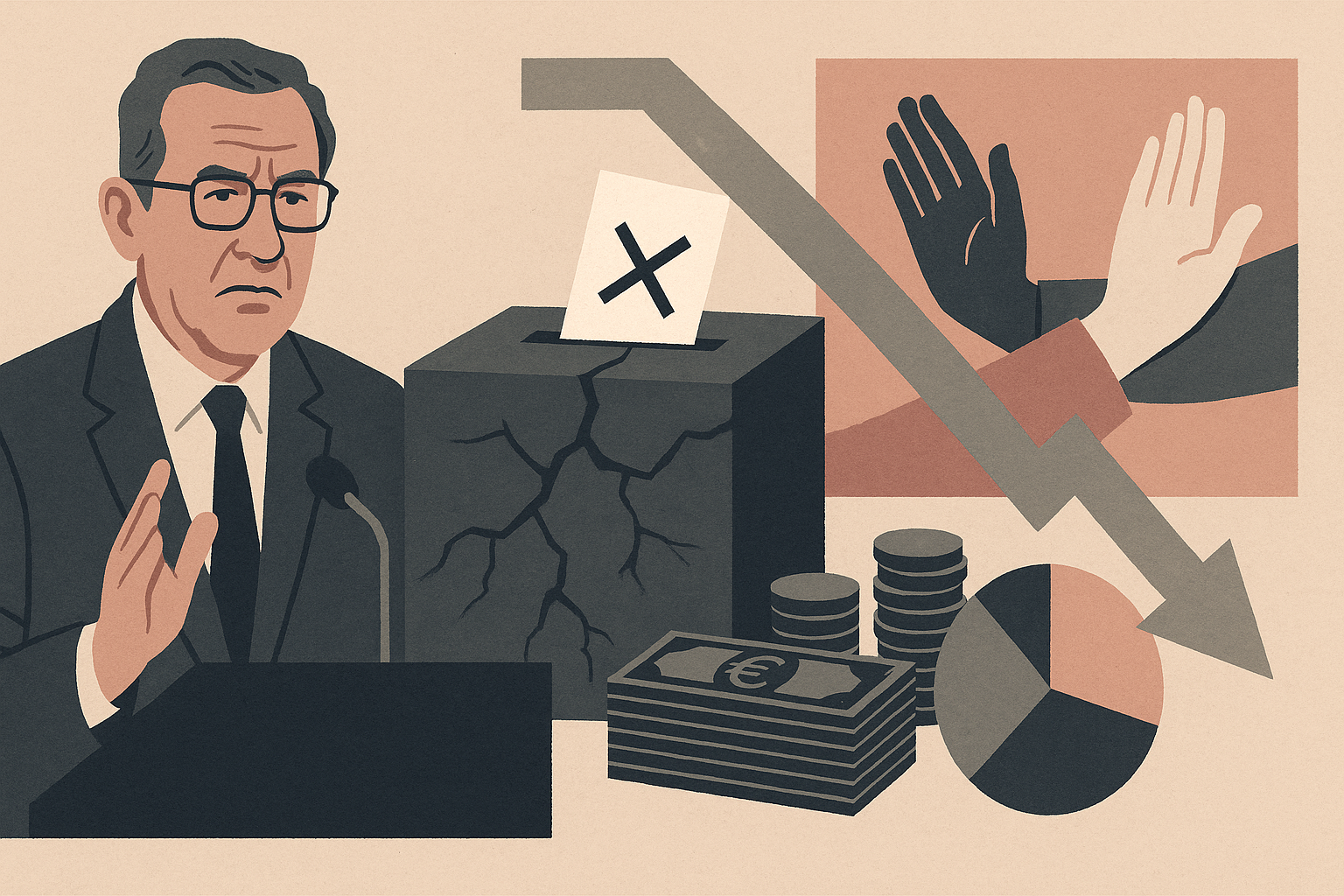
In a recent discussion at POLITICO’s competitiveness summit in Paris, former French Economy and Finance Minister Eric Lombard reflected on the controversial decision made by his former boss, François Bayrou, to initiate a confidence vote. This decision followed Bayrou’s announcement of significant budget cuts amounting to nearly €44 billion for 2026. Lombard characterized this move as a miscalculation that ultimately hindered potential compromise with the center-left Socialists, who were being courted for support on the budget plan. As political tensions rise, Lombard emphasizes the critical need for fiscal responsibility and strategic planning in France’s ongoing economic climate.
The Misstep of a Confidence Vote
Eric Lombard openly expressed his regret regarding the confidence vote called by François Bayrou, stating that it was a gamble that did not pay off. During his remarks at the summit, he described the vote as seemingly doomed from its inception and acknowledged that it ended negotiations with potential allies like the Socialists. This situation highlights the complexities of coalition politics in France, particularly when navigating budgetary challenges.
Bayrou’s unexpected announcement in late August shocked lawmakers when he proposed putting his unpopular budget—a plan that included cutting two public holidays—to a vote. He attempted to frame this vote as necessary for addressing France’s significant budget deficit. However, Lombard noted that this approach effectively terminated any talks regarding compromises with opposition parties.
The Importance of Coalition Building
Lombard emphasized that an agreement with the Socialists was still achievable prior to the confidence vote. He positioned himself as a bridge between Macron’s centrists and the Socialists, indicating his belief that collaboration was possible despite differing ideologies. The failure to secure Socialist backing may have far-reaching implications for future governance and policy implementation in France.
Fiscal Responsibility is Crucial
Lombard asserted that maintaining next year’s budget deficit below 5 percent of gross domestic product (GDP) is imperative. Current projections estimate this year’s deficit will reach 5.4 percent of GDP—a concerning figure prompting urgent discussions about fiscal strategies moving forward.
Amidst this turmoil, outgoing Prime Minister Sébastien Lecornu hinted at possibly adjusting France’s deficit reduction targets from an ambitious 4.7 percent to 5 percent GDP following his resignation earlier in the week—a change indicative of shifting priorities within the government as it grapples with economic challenges.
A Shift Away from Free Trade
During his address at the summit, Lombard also tackled broader economic issues facing Europe today—specifically criticizing free trade policies as outdated. He articulated a strong stance against what he referred to as an end to free trade agreements due to non-compliance by major players like China and the United States with international trade rules.
Lombard recalled how during his tenure there was an attempt by Europe to negotiate favorable terms with Washington amid rising tensions under former U.S. President Donald Trump’s administration; he labeled these negotiations a “bad deal” but defended them as necessary under challenging conditions where Europe lacked sufficient leverage against larger economies.
The Need for Robust Domestic Policies
In light of increasing competition from U.S. and Chinese firms across various industries, Lombard called for stronger domestic policies aimed at bolstering European companies’ competitiveness in essential sectors. His remarks underscore an urgent need for strategic shifts towards protectionism within Europe’s economic framework to counteract external pressures effectively.
Navigating Political Uncertainty
The current political landscape in France is characterized by instability following Lecornu’s resignation and Bayrou’s contentious decisions regarding budgetary reforms and coalition dynamics. As President Emmanuel Macron prepares to appoint Lecornu’s successor by Friday evening, many wonder how new leadership will address looming fiscal challenges while attempting to restore confidence among constituents and political allies alike.
A Call for Collaboration
Lombard’s reflections serve as both an analysis of past mistakes and a call for renewed focus on collaboration among political factions within France. Building coalitions across party lines is essential not just for effective governance but also for enacting necessary reforms capable of steering France toward financial stability amidst global economic uncertainties.
Conclusion: The Path Forward
The insights shared by Eric Lombard at POLITICO’s competitiveness summit highlight significant lessons learned from recent political maneuvers surrounding fiscal policy in France. With urgent calls for responsible budgeting practices coupled with collaborative efforts across party lines, there remains hope that French leaders can navigate these turbulent times effectively while restoring stability both economically and politically.