
African nations unite for bold climate innovation and financing efforts
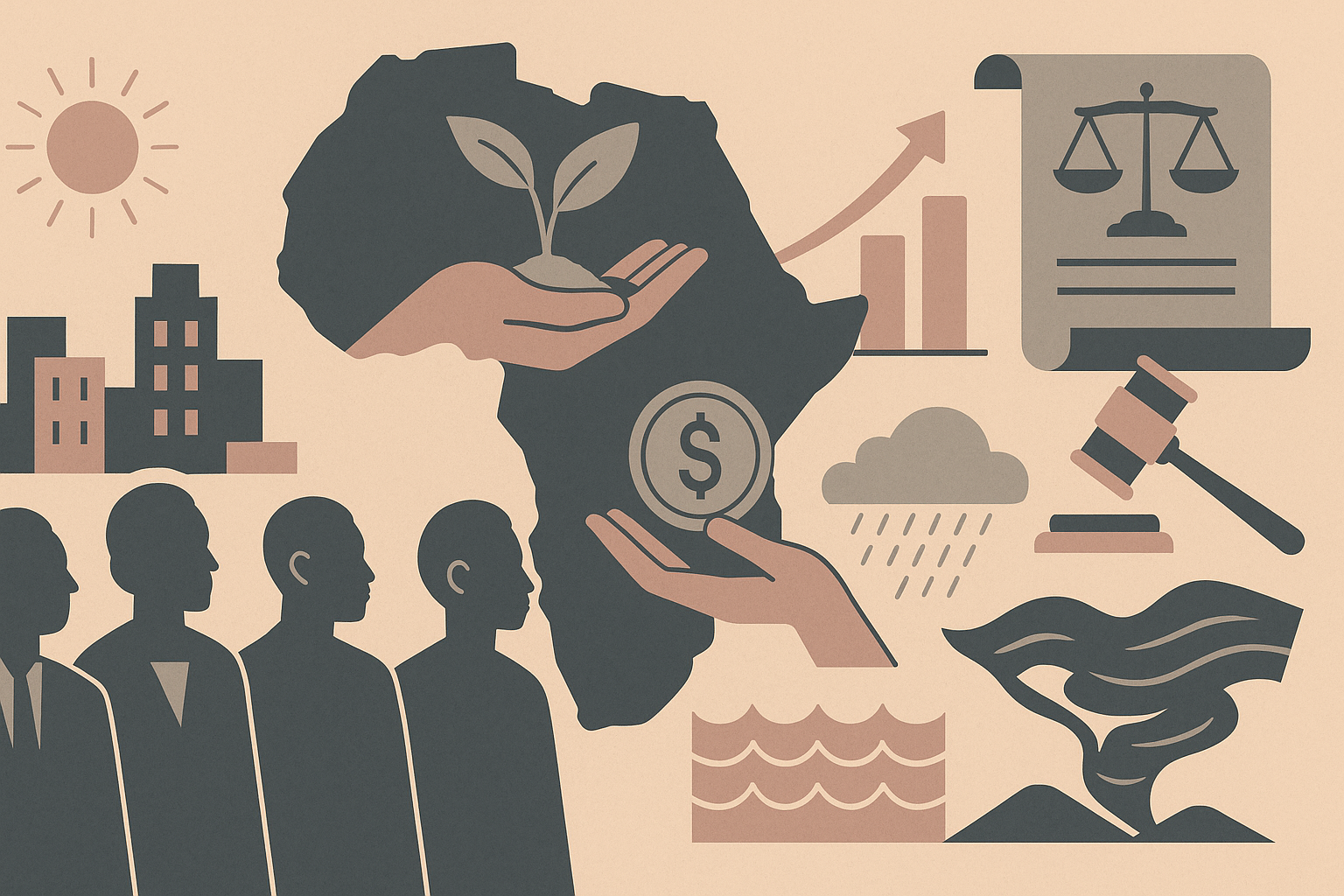
African nations are mobilizing to address climate change through innovative solutions, enhanced financing, and the establishment of robust climate laws. The Second Africa Climate Summit, which took place in Addis Ababa on September 8, 2025, attracted over 25,000 participants, including government leaders, business executives, activists, and students. The summit served as a platform for discussing strategies on how Africa can secure financial resources to pursue sustainable growth while coping with the rising frequency of climate-related disasters. Despite being minimally responsible for global greenhouse gas emissions, Africa is significantly affected by climate impacts and lacks adequate funding to adapt effectively. Legal experts emphasize key initiatives introduced at the summit and outline what it will take to implement them successfully.
Boosting Financial Resources for Green Initiatives
A central theme of the summit was enhancing financial support for Africa’s adaptation to climate change. Current estimates suggest that international funding will only provide about $195 billion for climate adaptation in Africa by 2035. This figure falls dramatically short of the $1.6 trillion needed to effectively tackle the challenges posed by climate change across the continent.
The summit showcased various innovative approaches African countries are adopting to mitigate climate risks and foster resilience. For instance, Ethiopia’s Green Legacy Initiative has successfully planted 48 billion trees over seven years and aims to combat deforestation while promoting ecological sustainability. Additionally, initiatives like the Climate-Resilient Wheat Initiative focus on improving wheat production and supporting small-scale farmers’ livelihoods.
To accelerate green industrialization across Africa, several local financial institutions have pledged a significant $100 billion towards the Africa Green Industrialisation Initiative launched at COP28 in 2023. This commitment aims to develop eco-friendly industries that generate employment opportunities while positioning Africa as a vital participant in the global green economy.
Funding Innovations for Climate Adaptation
The summit set an ambitious goal of annually funding 1,000 African climate innovations or adaptation projects through mechanisms such as the Africa Climate Innovation Compact and the African Climate Facility. These initiatives aim to raise $50 billion each year until 2030 specifically earmarked for these projects.
Moreover, attendees emphasized that wealthier nations should be legally required to provide non-repayable grants aimed at addressing climate-related damages suffered by African countries—this approach seeks to alleviate existing debt burdens exacerbated by loans tied to environmental recovery efforts.
Establishing Legal Frameworks for Climate Action
Currently, only eight African nations have enacted formal climate legislation. At this summit, experts unveiled a Model Climate Change Law designed specifically for adaptation within various national contexts across Africa. This adaptable legislation incorporates international commitments made by member states aimed at reducing greenhouse gas emissions.
Implementing such climate laws would empower citizens with legal standing to hold governments accountable for their environmental responsibilities while also facilitating compliance among governmental agencies with established regulations regarding climate obligations.
The Importance of Inclusive Governance
This model law advocates for inclusive governance structures that involve civil society groups representing women, youth, Indigenous peoples, and individuals with disabilities in decision-making processes related to environmental governance—not just governmental entities alone.
Transforming Climate Finance into a Legal Obligation
Climate finance plays a critical role in supporting activities intended to reduce greenhouse gas emissions—these include transitioning towards renewable energy sources as well as preserving forests that act as natural carbon sinks. Furthermore, it provides essential support mechanisms allowing communities and ecosystems better equipped against adverse impacts from ongoing climatic changes.
Delegates asserted during discussions that predictable and equitable distribution of climate financing should become an obligatory responsibility rather than optional goodwill from affluent nations—a reform deemed crucial given existing disparities within global economic frameworks impacting developing regions like Africa.
Diverse Perspectives on Climate Solutions
The summit highlighted diverse groups advocating justice-oriented reforms concerning how international finance systems operate; this includes engaging Indigenous communities alongside women’s organizations along with youth advocacy groups contributing valuable insights toward fostering resilience within their respective societies.
The Path Forward: Engaging Diverse Stakeholders
While side events held at the summit illustrated active contributions from civil society organizations—including faith-based groups—it remains imperative that more African countries incorporate these voices into broader dialogues surrounding adaptation strategies moving forward.
The G20 nations currently lead global efforts aimed at mitigating average temperature increases but show hesitancy towards committing fully toward transformative actions necessary if we hope not merely limit warming below two degrees Celsius above pre-industrial levels but genuinely transition away from fossil fuel dependency altogether.
African Leadership in Global Climate Initiatives
African states demonstrated their readiness during this conference not only through pledges supporting innovation but also ambitions surrounding hosting future global summits such as COP32 slated potentially for Nigeria in 2027 alongside Ethiopia’s competing bid announcement earlier during proceedings!
Tackling Remaining Challenges Ahead of COP30
The upcoming November conference (COP30) stands pivotal concerning how much tangible support will ultimately materialize—as it seeks progress establishing loss-and-damage funds allowing vulnerable nations recover losses incurred due directly resulting from recent climatic disasters witnessed worldwide!
Cultivating Equitable Spaces Within Finance Systems
This evolving dialogue emphasizes creating fair environments wherein those most impacted can participate actively not just recovering losses suffered but also influence rules governing future adaptations necessary if survival amidst changing climates remains feasible long term!
In essence, securing adequate financing mechanisms along with comprehensive legislative frameworks , coupled with inclusive participation from all societal segments represents critical steps toward ensuring sustainability amid ongoing challenges posed globally attributable largely due anthropogenic activities affecting our planet today!